About MAGNETIC LEVEL INDICATOR-MLG 950
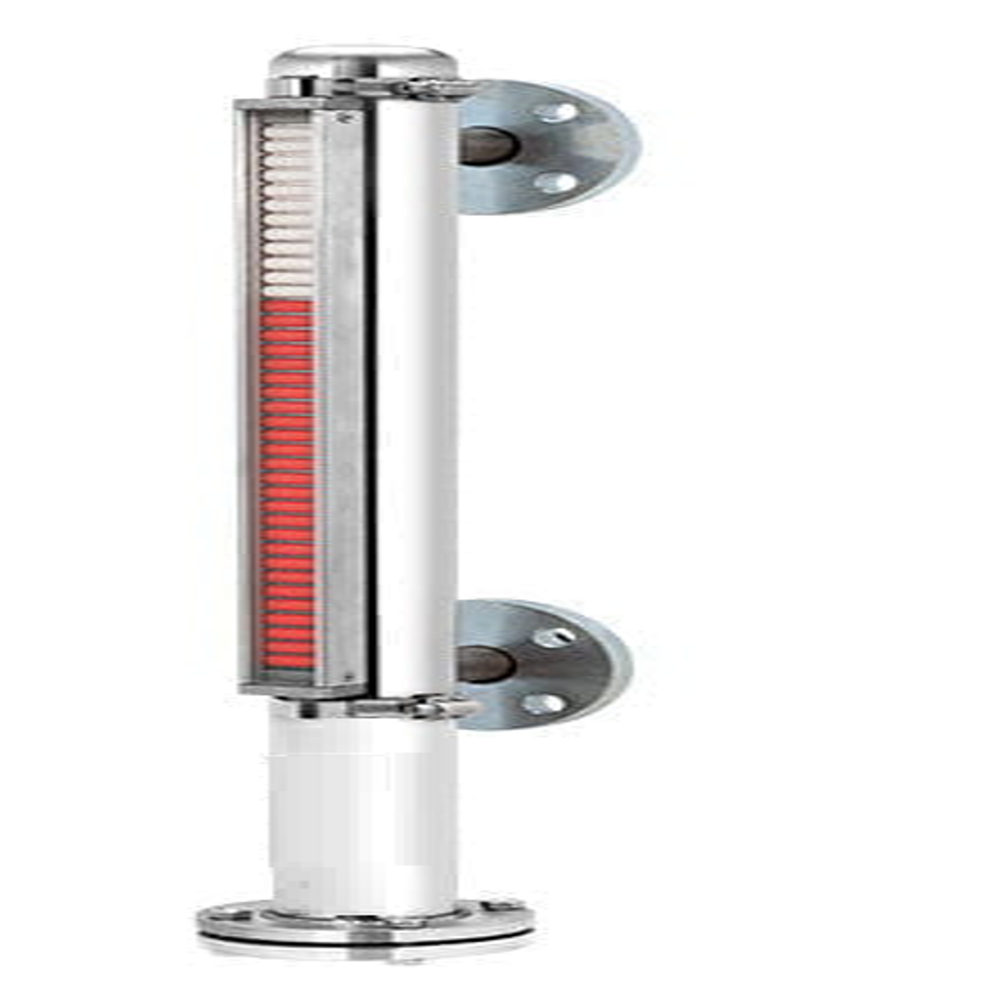
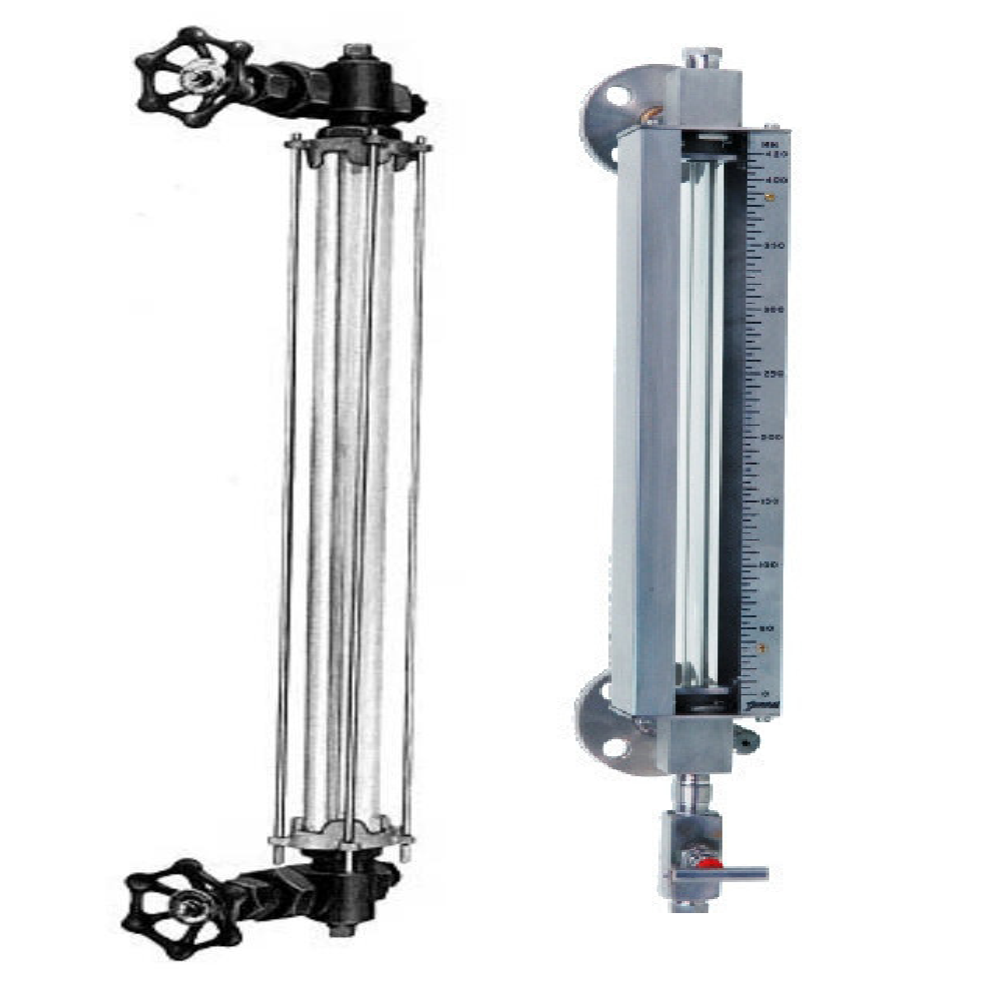
Magnetic level gauges use magnetism to link the indicator in a gauge to a float inside of float chamber in order to accurately show the level of fluid within. As the position of the float changes, the indicator moves up or down by the same amount, meaning that the level in the measuring chamber will always be the same as the fluid level in the vessel itself
Precise and Reliable Level MeasurementThe MLG 950 provides clear, continuous indication of liquid levels using a magnetic float system within a sturdy, corrosion-resistant chamber. Whether measuring water, chemicals, or corrosive liquids, its custom-built design assures high accuracy and effortless monitoring even in demanding environments. With visual indication requiring no power, operational costs are minimized while uptime is maximized.
Adaptable Construction for Varied ApplicationsBuilt with high-grade materials like SS304, SS316, PP, or PTFE lined, the MLG 950 withstands aggressive chemicals and temperature variations. Users can choose float and chamber configurations, process connections, and protection levels to precisely match process requirements, making this indicator suitable for applications in storage tanks or hazardous zones.
Enhanced Features and ServiceabilityOffering optional features such as level transmitters, alarm switches, and remote indicators, the MLG 950 integrates easily into automated systems. The device comes factory calibrated per customer range, and service support like installation assistance and AMC ensure long-term, hassle-free performance for critical process monitoring.
FAQ's of MAGNETIC LEVEL INDICATOR-MLG 950:
Q: How does the MAGNETIC LEVEL INDICATOR-MLG 950 function in industrial applications?
A: The MLG 950 operates using a magnetic float that rises and falls with liquid levels inside a chamber. A magnetic interaction between the float and external rollers or flaps provides a direct, highly visible reading. This design enables accurate, real-time monitoring for a variety of liquids, even in hazardous or corrosive environments.
Q: What materials of construction are available for the MLG 950, and how do they benefit specific applications?
A: The indicator can be built using SS304, SS316, PP, or PTFE lined materials, chosen based on the fluid's corrosiveness or process conditions. This adaptability ensures compatibility with chemicals, water, and food-grade applications, enhancing reliability and lifespan even in harsh settings.
Q: Where can the MLG 950 be installed, and what are its mounting options?
A: The device can be installed on the side or top of tanks and process vessels. Customizable process connections-flanged or threaded to ANSI, DIN, or JIS specifications-ensure compatibility with various industrial standards and installation requirements, accommodating both new and retrofit setups.
Q: What optional features can enhance the functionality of the MLG 950?
A: Optional accessories include level transmitters with 4-20 mA output, alarm switches, remote indication systems, and weatherproof or flameproof protection. These options expand the indicator's utility, allowing integration with process control and safety systems for comprehensive monitoring and automation.
Q: When should I consider choosing titanium or PTFE lined floats for my application?
A: Titanium floats are recommended for high-pressure or high-temperature applications, while PTFE lined floats are suitable for highly corrosive liquids. Selecting the right float ensures mechanical resilience and chemical resistance, thereby improving accuracy and product longevity.
Q: What is the typical measuring range and accuracy for the MLG 950?
A: The MLG 950 can measure levels from 200 mm to 5000 mm, with a standard accuracy of 10 mm. This flexibility covers a wide range of process vessels and tanks, making it ideal for storage, dosing, and continuous process monitoring in diverse industries.

 Send Inquiry



 Send Inquiry

 Send Inquiry