About VACUUM RELIEF VALVE-VRV 720
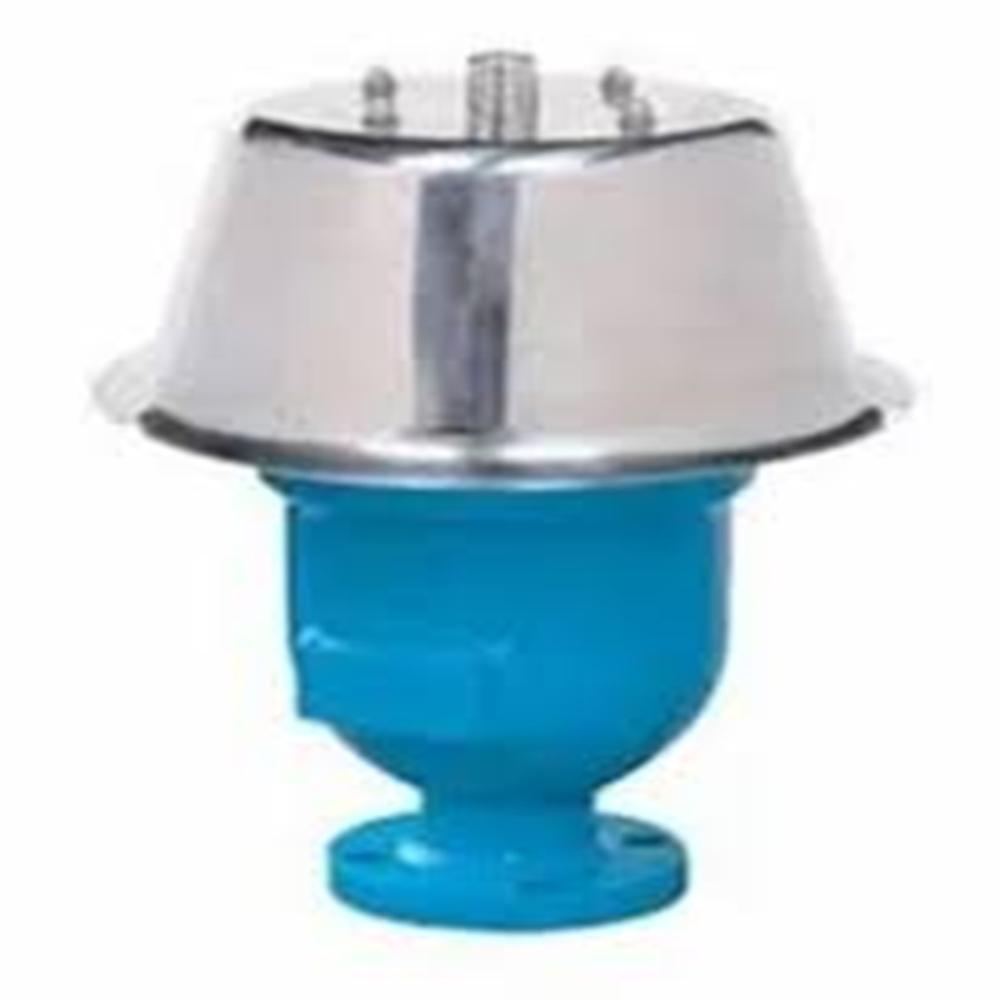
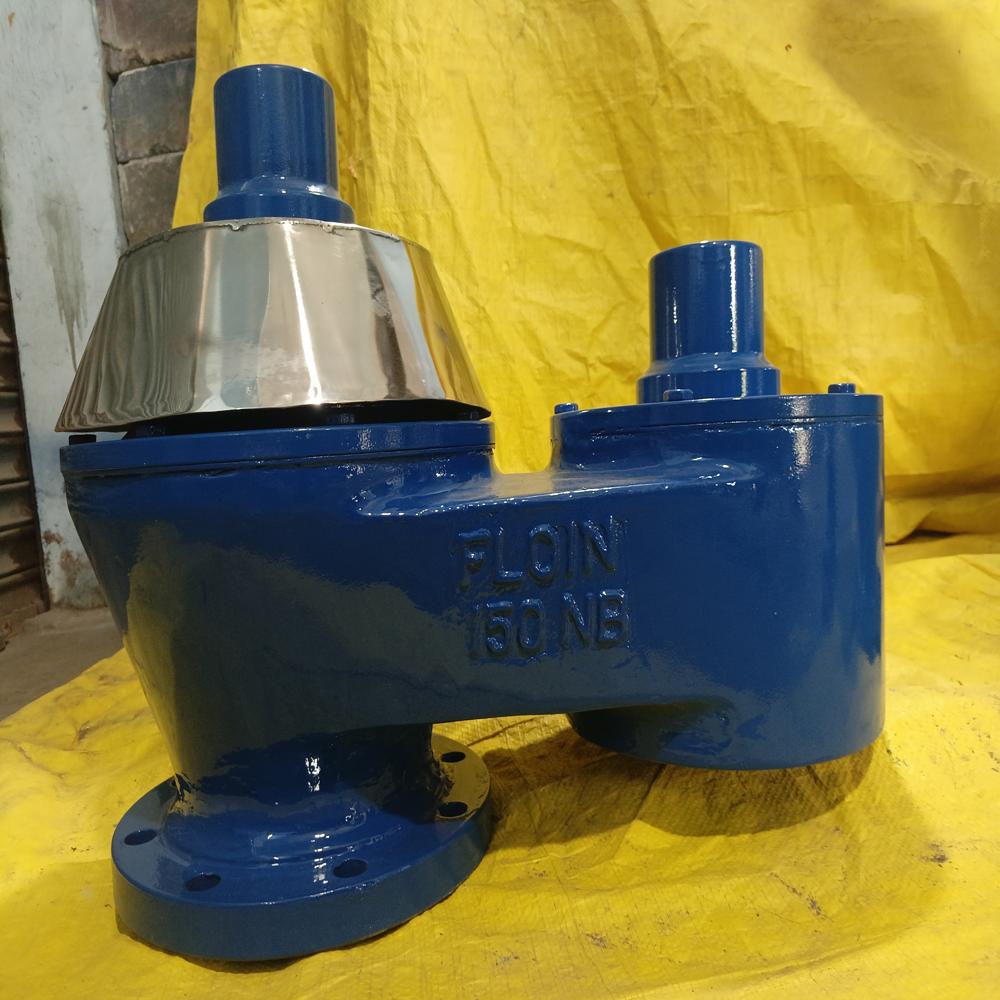
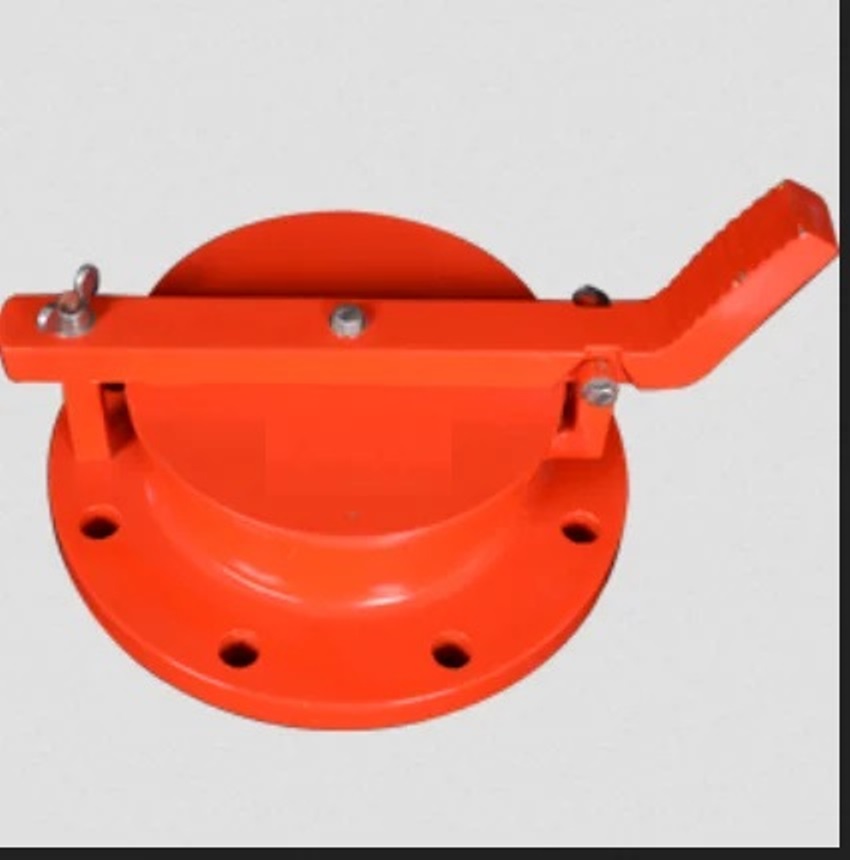
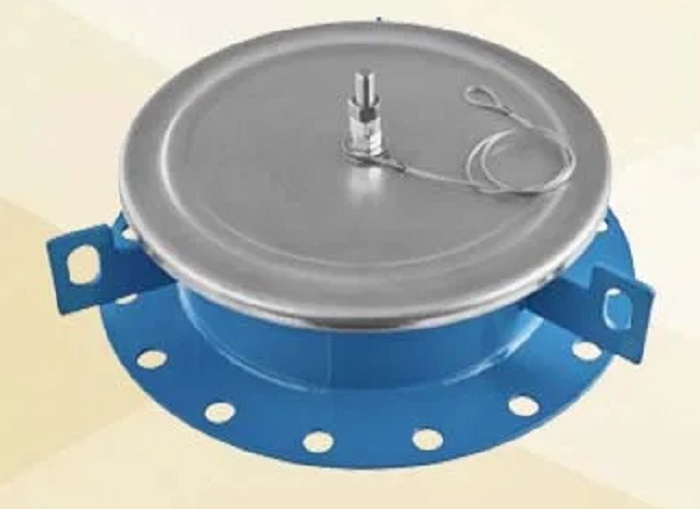
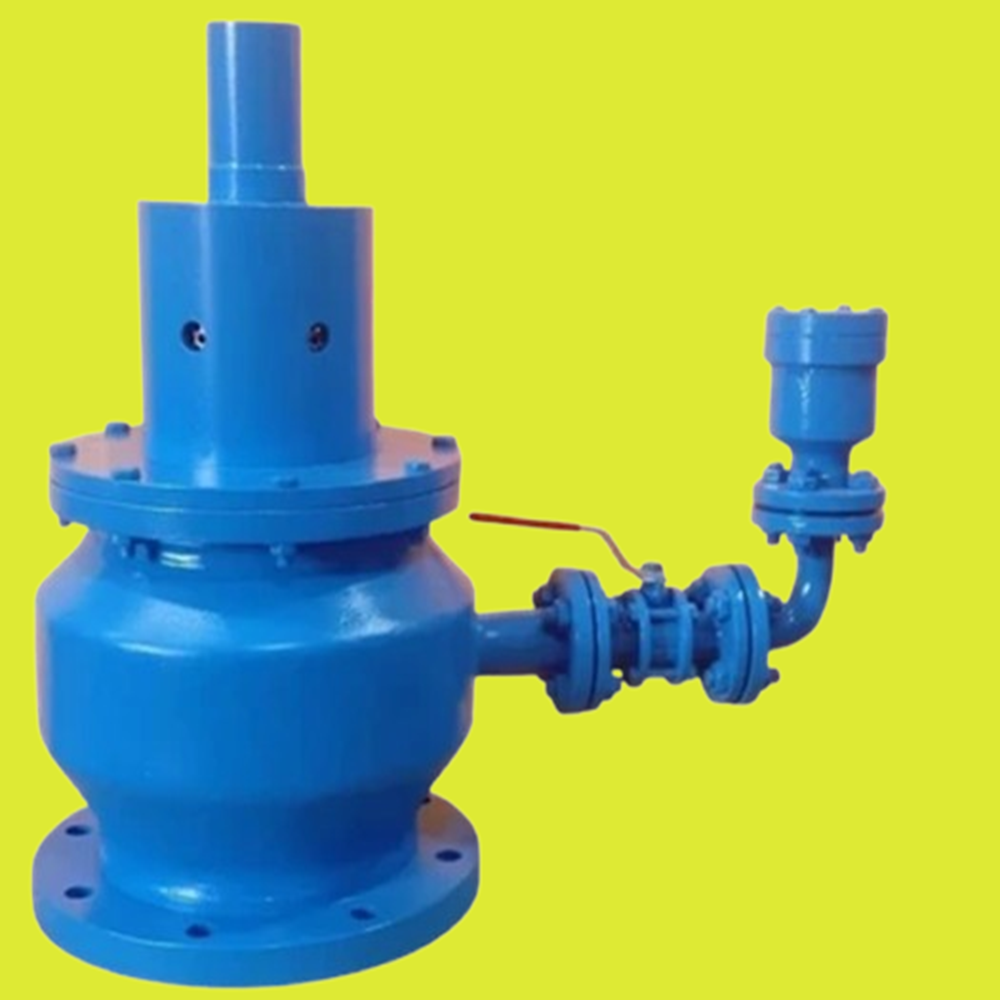
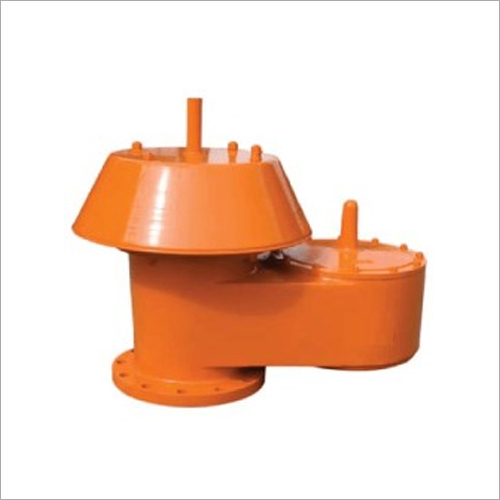
Vacuum relief valves are use for where vacuum relief is required. Intake relief is from the atmosphere and achieved by using a spring loaded pallet to achieve the required set pressure. Can be installed on top of the tank with bottom flanged valve or on the side walls of the tank with side flanged valves.
Robust and Precision EngineeredThe VRV 720 vacuum relief valve features a robust cylindrical design with spring-loaded adjustment, offering precision operation for diverse applications. Its anti-corrosive body and painted finish extend the valve's life, making it dependable even in demanding environments like process vessels and vacuum lines. Designed for easy installation and maintenance, this valve is a preferred choice for safe, effective pressure management.
Versatile Material and Connection OptionsChoose from high-grade stainless steel, cast iron, carbon steel, or brass to best fit your operating environment. Connections are available as either threaded or flanged, accommodating a wide range of pipelines and equipment, with port sizes from 1/2" to 4" BSP/NPT and size compatibility between 50 to 500 NB. This versatility simplifies integration into both new and existing systems.
Customizable Performance for Industrial DemandsThe VRV 720 vacuum relief valve's opening pressure is factory adjustable to suit specific application requirements, supporting pressures from the standard 5 PSI, with other settings available on request. It operates reliably within a temperature range of -10C to 120C, ensuring high performance across diverse industrial processes involving air or gases.
FAQ's of VACUUM RELIEF VALVE-VRV 720:
Q: How does the VRV 720 vacuum relief valve function in industrial applications?
A: The VRV 720 operates by quickly opening at a pre-set vacuum level to admit air or gas, preventing equipment damage due to excessive vacuum. Its spring-loaded, adjustable mechanism ensures precise response based on factory-set or customized pressure requirements, safeguarding tanks, pipelines, and process vessels.
Q: What connection and installation options are available for the VRV 720?
A: This valve can be installed using either threaded or flanged end connections, supporting both screwed and flanged pipeline interfaces. It is designed for vertical mounting, making it easy to integrate into existing tanks or vacuum line setups.
Q: When should the VRV 720 be used?
A: The VRV 720 is ideal whenever there's a risk of vacuum-induced collapse in storage tanks, pipelines, or process vessels handling air and gases. It is particularly beneficial in processes where maintaining pressure equilibrium is critical for safety and equipment longevity.
Q: Where is the VRV 720 commonly applied?
A: This valve is widely used in industrial environments across India, in tanks, pipelines, vacuum lines, and process vessels. Its versatile design makes it suitable for installation in new projects or as a replacement in existing systems within manufacturing plants, refineries, and other process industries.
Q: What is the process for setting and testing the opening pressure of the VRV 720?
A: The opening pressure is set at the factory according to the user's specified requirement, with a standard setting of 5 PSI. Each valve undergoes hydro-testing and leakage tests as per standard industrial norms before shipment to guarantee reliability and compliance.
Q: How does using the VRV 720 benefit facility operations?
A: The VRV 720's quick response, compact build, and easy maintenance reduce downtime and enhance process safety. Its durable, anti-corrosive construction minimizes maintenance costs and maximizes operational uptime in demanding environments.

 Send Inquiry



 Send Inquiry

 Send Inquiry